











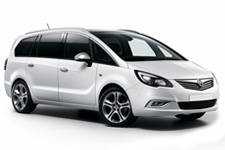
Matching a hire car to your passengers and luggage
Tell the team how many people will travel and how many cases, buggies or bulky bags you expect. Seating and boot space are separate questions. Say whether you need an automatic or are happy with a manual, and mention any child seat request early so it can be checked before you are quoted. Include details for every driver who may take the wheel.
Finding a car to suit the trip
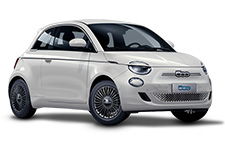
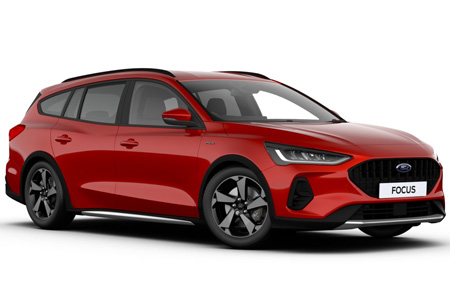
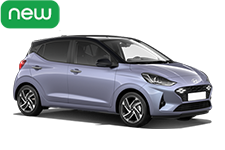
Start with the journey and pick the car to match it. Smaller cars are suited to city driving and short stays, automatics make local driving easier, estates and SUVs give more room for luggage, and people carriers are a better choice for families or small groups. The range available includes the Fiat 500, VW Golf, Ford Focus Estate, Ford Focus Automatic and Hyundai i10 Automatic, subject to dates, driver details and availability. The precise make, model, transmission, seating, payload and licence position are confirmed when you are quoted, so treat the vehicles listed as a guide to the kind of hire on offer rather than a guaranteed reservation of a particular model.
Write Down Your Details Before Requesting
Start with the information the customer should write down before asking for a quote. Note the exact dates and times you would need the car, whether the start or finish might shift by a day, and the full name and licence details of anyone who will drive. Record where you want the car delivered or collected, including any address for the return. If you have a preference among compact cars, automatics, estates, SUVs, executive saloons or people carriers, mention it. It also helps to state how many people will travel and roughly how much luggage is coming. Write down any question that remains open, such as whether a particular vehicle group is offered on your dates, so the team can answer it in one reply.
Keeping a Flexible Day Plan
A flexible plan is worth sketching before you confirm dates. If your trip involves appointments, family visits or a day of errands, list each stop in the order you expect to make it and mark the ones that could move. Decide whether an early start or a later finish matters, and whether you might want the car for an extra morning. Note any deadline, such as a check-in time or a collection window, and build the rest of the schedule around it. If a passenger count could change, keep a note of both the expected and the maximum number. When you send your enquiry, mention which parts of the plan are fixed and which are open, since that lets the team suggest vehicle groups and hire periods that match how your day might unfold.
Explore other car hire areas
What to confirm on the phone
Before you confirm the hire, check the key details: vehicle availability, driver requirements, mileage, insurance, delivery or collection arrangements and any extras you have asked for, along with driver age, licence history, the deposit, the insurance excess and any travel abroad. A clear request gives the date, the length of hire, the rough route, the delivery or pickup address, the expected passengers or load, and any particular requirements that might affect which vehicle is suitable.