

Details to confirm before a truck or lorry quote
Describe the load by weight, dimensions and packing, whether palletised, loose or crated. Ask the recipient whether unloading will be by forklift, at a loading dock or by hand, and whether their site has height, length or weight limits for delivery vehicles. Provide driver licence details and say whether the hire is for business use, so the team can confirm driver and operator requirements with you before booking.
Fitting the truck to your route
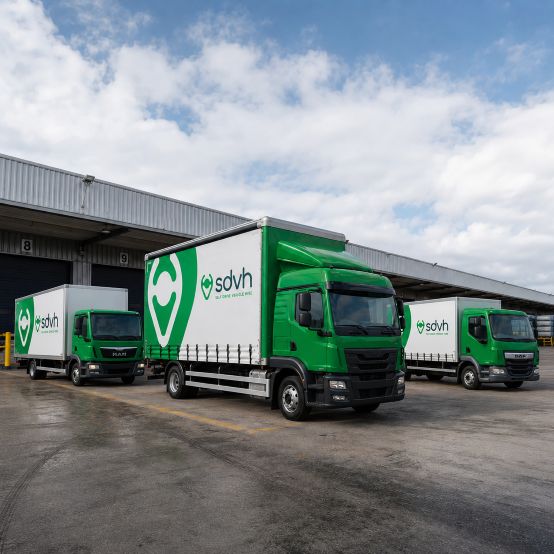
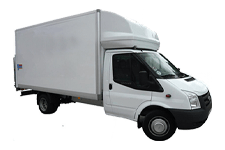
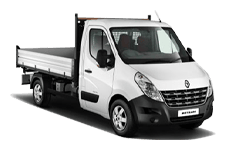
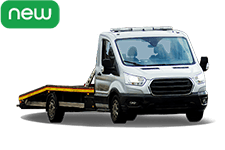
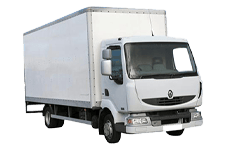
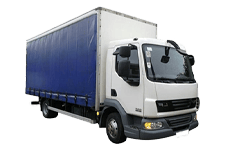
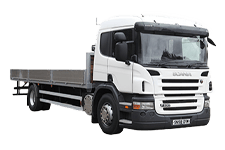
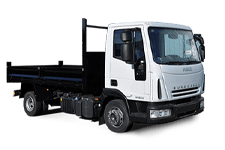
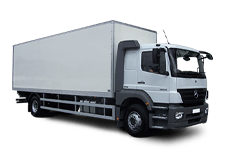
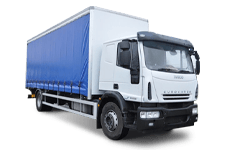
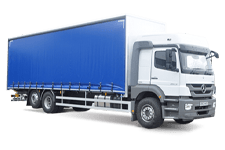
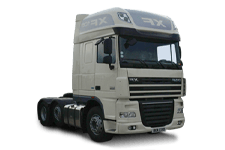
Weight, body type and access should shape your choice of truck. A tail-lift box suits heavier loads that need handling, a curtain-side works well for palletised deliveries, a dropside helps with site access, and bigger trucks may need operator licence checks. Depending on dates, driver details and availability, the range covers the Ford Luton 3.5 Tonne Box with Tail Lift, 3.5 Tonne Tipper Transit Truck, 3.5 Tonne Recovery Truck, 7.5 Tonne Box Truck With Tail Lift and 7.5 Tonne Curtain Side Truck. Because the exact make, model, transmission, seats, payload and licence position are only confirmed at quote stage, the vehicles listed show the type of hire available and are not a guaranteed reservation of a specific model.
Record the Details of Bulky Equipment
Start your preparation by writing down the specifics of every piece of equipment due to travel. Measure length, width and height, and estimate weight where you can, perhaps from a manual or a manufacturer's plate. Note whether each item is a single unit or breaks down into parts, and whether those parts have been separated before. Record how the equipment currently sits, on pallets, in crates or freestanding, and whether covers or packaging are involved. Add the collection and delivery addresses with contact names and numbers at both ends. If the recipient has specific receiving hours or site rules, note these too. Presenting this information on the booking call helps the team cover loading method and access properly, and it gives you a checklist to verify against when the equipment is finally dispatched.
Sketch a Delivery Sequence in Advance
Think through the order in which your deliveries will happen and write it down. List each drop-off point, the items going there, and a named contact with a phone number who can expect the arrival. Note preferred time windows for each stop if the recipients have stated any, and mark which deliveries are fixed commitments rather than flexible ones. Consider whether any stop requires a specific arrival sequence, such as equipment needed before materials. Record gaps between drops where a delay at one site could affect the next. This sequence does not need to be elaborate, but having it on paper lets you discuss route timing sensibly on the booking call and adjust the plan if the team flags anything. Share the final version with each recipient so expectations align.
Explore other truck hire areas
What to confirm on the phone
Before you confirm your hire, check the essentials: vehicle availability, driver requirements, mileage, insurance, delivery or collection arrangements and any extras you have requested. Commercial truck hire also needs operator licence requirements, driver entitlement and delivery access confirmed, alongside mileage and insurance arrangements, before the hire is agreed. A clear request includes the date, the length of hire, the approximate route, the delivery or pickup address, the expected passengers or load, and any special requirements that could affect which vehicle is suitable.