

Details to confirm before a truck or lorry quote
Describe the load by weight, dimensions and packing, whether palletised, loose or crated. Ask the recipient whether unloading will be by forklift, at a loading dock or by hand, and whether their site has height, length or weight limits for delivery vehicles. Provide driver licence details and say whether the hire is for business use, so the team can confirm driver and operator requirements with you before booking.
Picking a suitable truck
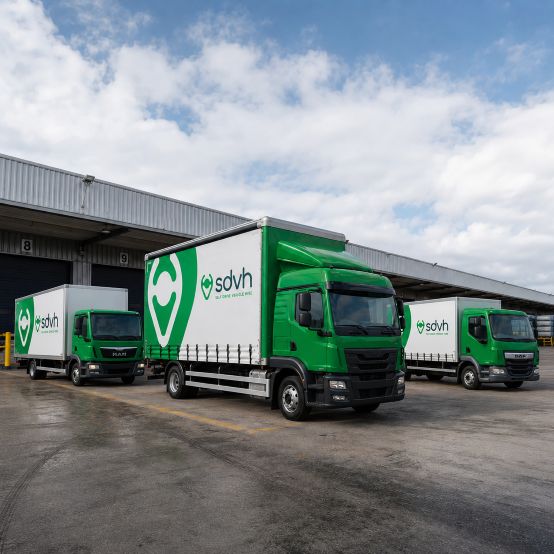
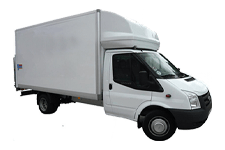
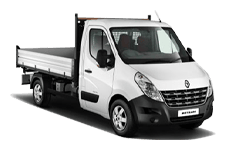
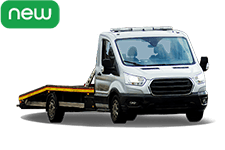
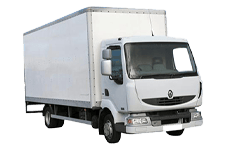
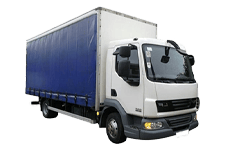
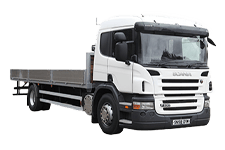
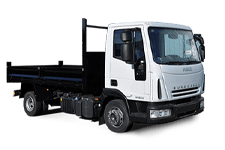
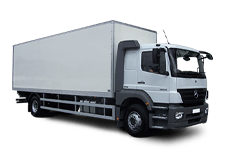
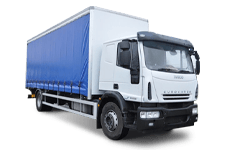
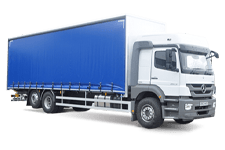
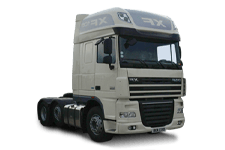
Weight, body type and access should shape your choice of truck. A tail-lift box suits heavier loads that need handling, a curtain-side works well for palletised deliveries, a dropside helps with site access, and bigger trucks may need operator licence checks. Depending on dates, driver details and availability, the range covers the Ford Luton 3.5 Tonne Box with Tail Lift, 3.5 Tonne Tipper Transit Truck, 3.5 Tonne Recovery Truck, 7.5 Tonne Box Truck With Tail Lift and 7.5 Tonne Curtain Side Truck. Because the exact make, model, transmission, seats, payload and licence position are only confirmed at quote stage, the vehicles listed show the type of hire available and are not a guaranteed reservation of a specific model.
Separating Volume From Load Weight
How much space will the load need, and how much will it weigh? These are two different questions, and both deserve a written answer before you enquire. Volume depends on the size and number of items, so measure or estimate the dimensions of each piece and total them up. Weight is a separate matter entirely, and sellers, suppliers or manufacturers' labels are often the best source for individual figures. A load of lightweight packaging can fill a large box body while weighing very little, whereas a small number of dense items can be heavy without taking up much room. Note both figures separately, along with any single item that is unusually heavy or awkwardly shaped. Presenting volume and weight as distinct numbers lets the team check vehicle weight and hire terms against the real job rather than a rough impression.
Confirming Arrangements at the Receiving End
Who will be there when the load arrives? That question should be settled well before the truck leaves. Contact the recipient and record a named person, a direct phone number and the full delivery address, including any gate codes, unit references or specific entrance. Ask them to describe the access in their own words, covering entry widths, overhead limits and where a vehicle could stand while items are handed over, and keep their answer in writing. Discuss what the recipient expects regarding unloading, including who will be present and whether anything needs to be brought to a particular floor or room. Agree a delivery window rather than a single moment, and note what should happen if nobody is available. Sharing these arrangements during the booking call keeps route timing and access discussions grounded in facts.
Explore other truck hire areas
Last checks before booking
Before you confirm your hire, check the essentials: vehicle availability, driver requirements, mileage, insurance, delivery or collection arrangements and any extras you have requested. Commercial truck hire also needs operator licence requirements, driver entitlement and delivery access confirmed, alongside mileage and insurance arrangements, before the hire is agreed. A clear request includes the date, the length of hire, the approximate route, the delivery or pickup address, the expected passengers or load, and any special requirements that could affect which vehicle is suitable.