

Details to confirm before a truck or lorry quote
Describe the load by weight, dimensions and packing, whether palletised, loose or crated. Ask the recipient whether unloading will be by forklift, at a loading dock or by hand, and whether their site has height, length or weight limits for delivery vehicles. Provide driver licence details and say whether the hire is for business use, so the team can confirm driver and operator requirements with you before booking.
Fitting the truck to your route
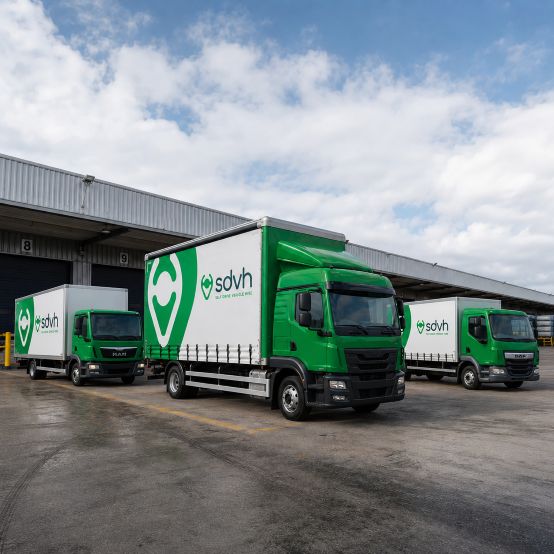
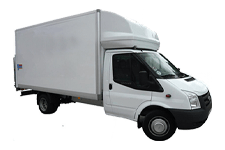
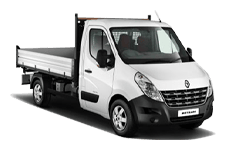
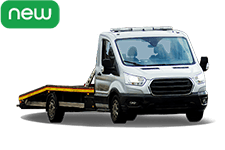
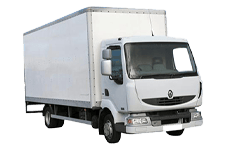
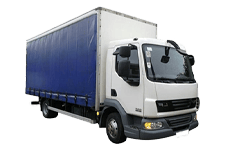
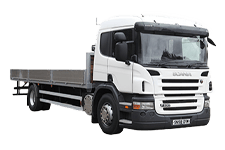
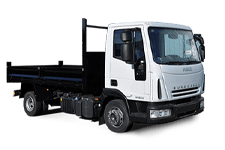
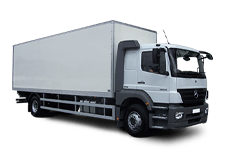
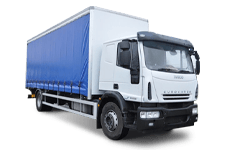
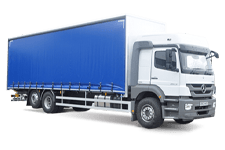
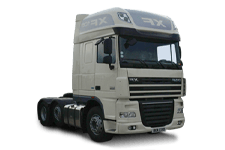
Weight, body type and access should shape your choice of truck. A tail-lift box suits heavier loads that need handling, a curtain-side works well for palletised deliveries, a dropside helps with site access, and bigger trucks may need operator licence checks. Depending on dates, driver details and availability, the range covers the Ford Luton 3.5 Tonne Box with Tail Lift, 3.5 Tonne Tipper Transit Truck, 3.5 Tonne Recovery Truck, 7.5 Tonne Box Truck With Tail Lift and 7.5 Tonne Curtain Side Truck. Because the exact make, model, transmission, seats, payload and licence position are only confirmed at quote stage, the vehicles listed show the type of hire available and are not a guaranteed reservation of a specific model.
Setting Out a Return and Unloading Window
Suppose your delivery is due at a site that only accepts vehicles during certain hours. In that case, it is worth mapping the whole window before you book. Write down when the truck leaves, how long you expect to be on the road, how long the unload should take with the people available, and when the vehicle must be back. If the return involves a different address or a locked yard, note who holds the keys and their phone number. Building in a margin for the unexpected is a personal choice, but having the times written down means you can compare them against the hire period you are requesting. Any questions about whether the timings work with the available hire window can be raised during the booking call.
Preparing a Load Inventory Worth Sharing
An inventory for a truck load works best when it is specific. List each pallet, cage or item with a short description and, where relevant, its dimensions and any reference number the recipient will recognise. If some goods are fragile or must stay upright, mark that beside the entry rather than trying to remember it on the day. Count the totals per destination if the load is being split, and keep a copy for yourself plus one to send ahead. When you contact the team for a quote, the inventory gives them something concrete to work from, and it often prompts useful questions about vehicle weight, loading method and access that you can answer straight away.
Explore other truck hire areas
What to confirm on the phone
Before you confirm your hire, check the essentials: vehicle availability, driver requirements, mileage, insurance, delivery or collection arrangements and any extras you have requested. Commercial truck hire also needs operator licence requirements, driver entitlement and delivery access confirmed, alongside mileage and insurance arrangements, before the hire is agreed. A clear request includes the date, the length of hire, the approximate route, the delivery or pickup address, the expected passengers or load, and any special requirements that could affect which vehicle is suitable.